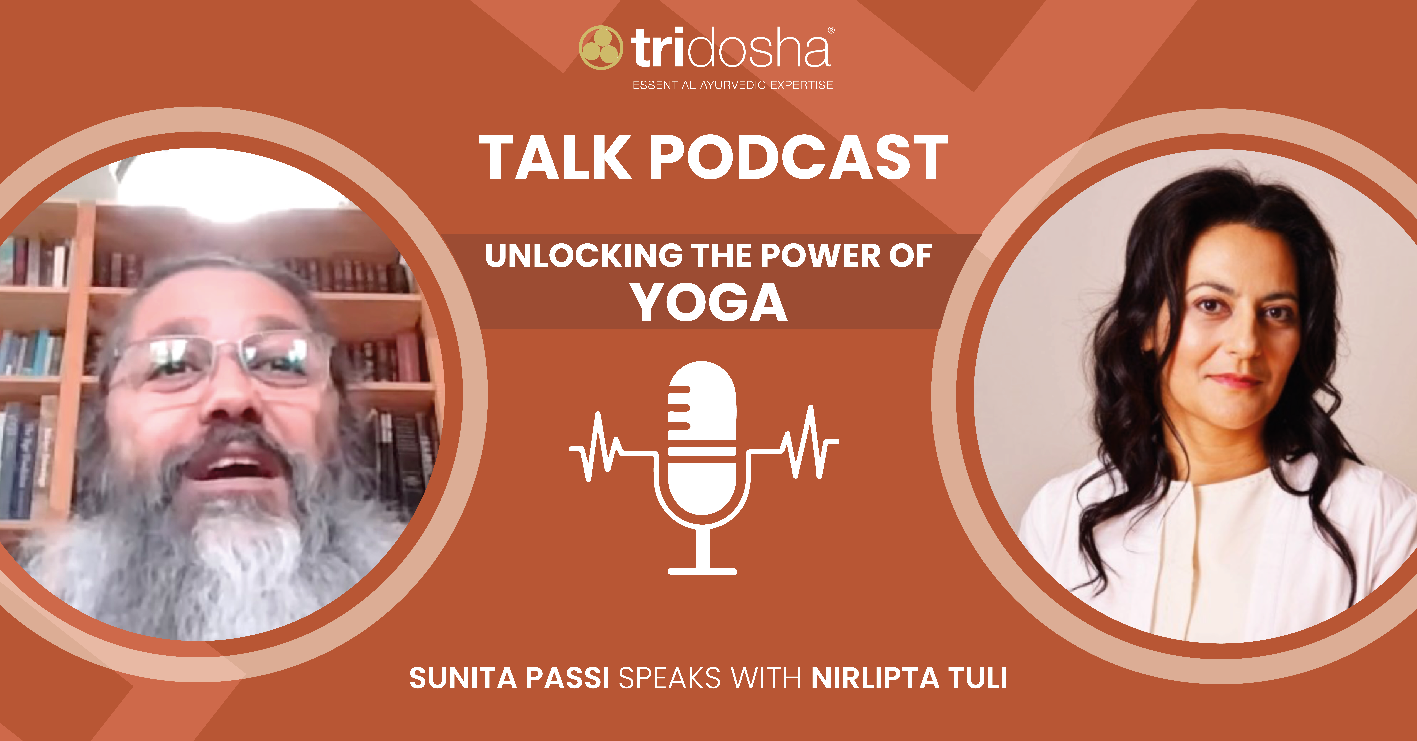
This episode explores the teachings of Patanjali and the concept of yogic sleep, or Yoga Nidra. It emphasises the importance of consciousness during these practices, highlighting that while everyone experiences samadhi during sleep, it is often unrecognised and unappreciated. The conversation advocates a conscious engagement in spiritual practices to unlock their full potential and benefits.
Key Takeaways on Yoga Nidra
- Conscious Relaxation: Yoga Nidra is a practice of conscious deep relaxation that offers therapeutic benefits for stress, insomnia, and even chronic health conditions. It differs from traditional yoga by focusing on awareness during rest.
- Spiritual Growth Through Dreams: You can integrate lucid dreaming into your spiritual practice. Becoming conscious within your dreams can accelerate personal development and improve your creative problem-solving skills.
- Accessible and Adaptable Practice: The Yoga Nidra Network promotes a non-dogmatic approach, encouraging you to adapt the practice for individual needs. This makes it a suitable method for a wide range of people, including those with specific health concerns.
Introduction
Nirlipta Tuli’s journey into the therapeutic application of Yoga Nidra offers a beacon of hope in a world where stress and insomnia are rampant. From battling personal health challenges to pioneering innovative sleep therapies, Nirlipta’s story is one of resilience and discovery.
The Transformative Power of Yoga Nidra
Nirlipta’s exploration into Yoga Nidra began in his twenties, a time when he discovered the profound impact of this practice on his life. Unlike traditional yoga, Yoga Nidra focuses on deep relaxation and consciousness, offering therapeutic benefits for stress, insomnia, and even chronic health conditions. Nirlipta’s personal journey with respiratory and cardiac issues has been significantly supported by the combination of Yoga Nidra and Pranayama, highlighting the potential of these practices in managing health.
Lucid Dreaming and Spiritual Growth
A fascinating aspect of Nirlipta’s work is the integration of lucid dreaming and dream yoga. By becoming conscious in dreams, individuals can engage in spiritual practices, enhancing both personal and spiritual growth. This approach not only propels spiritual growth but also offers practical solutions for everyday challenges and boosts creativity and problem-solving.
Collaborative Healing and Education
Nirlipta, alongside his wife Uma, has established the Yoga Nidra Network, a platform dedicated to educating and empowering others in the practice of Yoga Nidra. Their approach is non-dogmatic, encouraging practitioners to adapt the practice to suit individual needs, whether working with pregnant women, cancer patients, or those struggling with sleep.
Conclusion
Nirlipta’s vision extends beyond personal healing, aiming to bring the benefits of Yoga Nidra to key workers and the broader community. By offering workshops and building an evidence-based approach, he hopes to demonstrate the efficacy of these practices in reducing stress and improving sleep. As we navigate the complexities of modern life, Nirlipta’s work serves as a reminder of the power of introspection and the potential for healing through ancient practices.
Timestamps
00:00 – Introduction to Yoga Nidra and Its Benefits
00:52 – Nirlipta’s Background
01:50 – Different Types of Yoga
03:08 – Nirlipta’s Health Issues and Journey with Sleep
07:53 – Conventional Wisdom
10:54 – Lucid Dreaming
13:02 – Cocreation
14:53 – Yoga Hypnotherapy
16:54 – Perinatal Hypnotherapy
19:21 – Master’s in Indian Religion
22:35 – Yoga Nidra Network
25:14 – Life is a Journey
27:09 – How to Use Yoga Nidra to Manage Anxiety
29:22 – Taking a Step Back
33:59 – Wrap up and Final Thoughts
FAQs for Unlocking the Power of Yoga Nidra
What is Yoga Nidra?
Yoga Nidra, often called yogic sleep, is a state of consciousness between waking and sleeping. It’s a guided meditation that induces deep physical, mental, and emotional relaxation while you remain aware.
How is Yoga Nidra different from regular sleep?
The main difference is consciousness. During regular sleep, you are typically unconscious. In Yoga Nidra, you are guided to a state of deep rest but your mind stays awake and alert, which allows for profound healing and self-discovery.
Can Yoga Nidra help with anxiety and stress?
Yes, it is very effective for managing stress and anxiety. The practice helps to calm the nervous system and reduce the production of stress hormones, leading to a greater sense of peace and well-being. The resources from Your Insights Your Energy can guide you through this process.
What is the connection between Yoga Nidra and lucid dreaming?
Both practices involve heightened states of awareness. Yoga Nidra can train your mind to remain conscious during deep relaxation, which can be a stepping stone to achieving lucidity, or conscious awareness, while you are dreaming.
Do I need any experience to practise Yoga Nidra?
No, you do not need any prior experience with yoga or meditation. Yoga Nidra is a simple practice that anyone can do. You just need to lie down comfortably and follow the verbal instructions of a guide.
Links and Mentions
Learn more about the Yoga Nidra Network: Facebook / YouTube / Website