
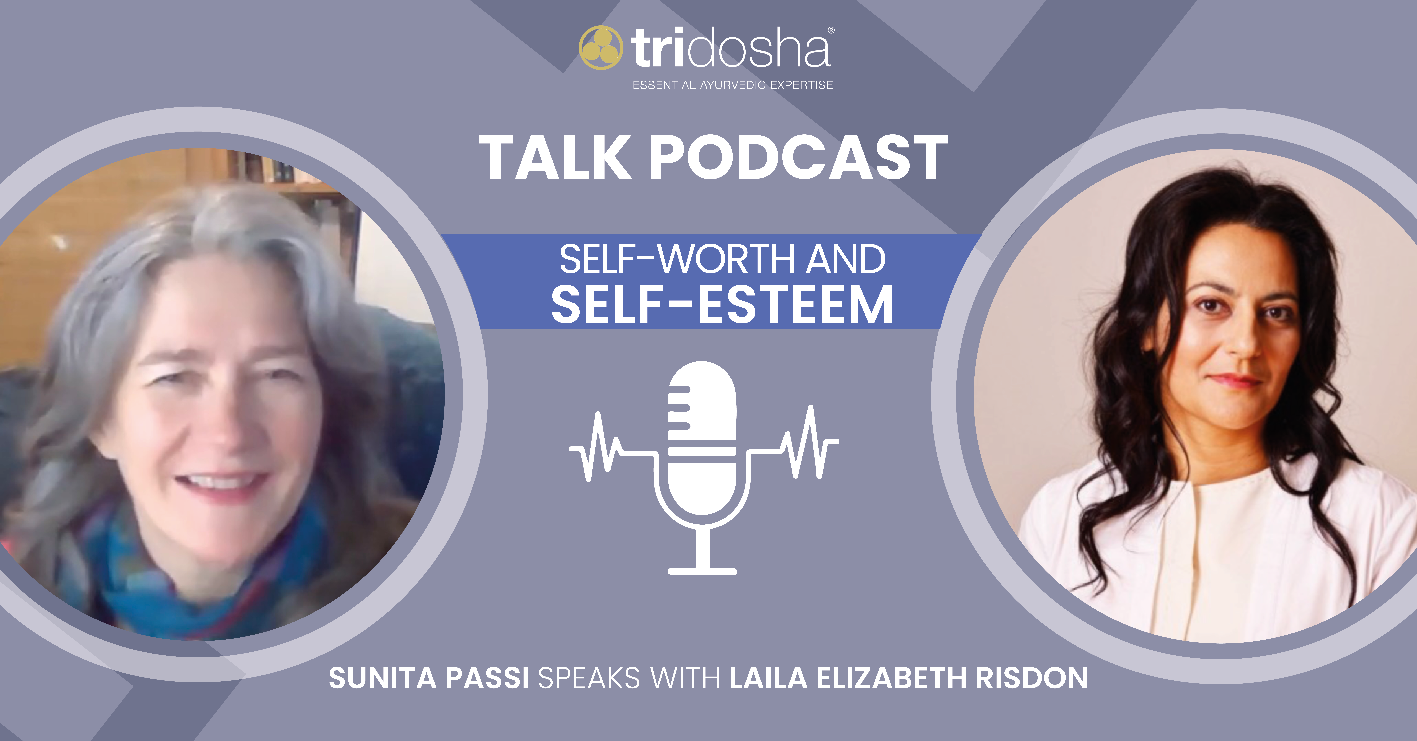
In this episode, Sunita Passi speaks with Laila Elizabeth Rizdan, co-founder of Indigo Brave and author of ‘It’s Not About Self-Esteem’. They explore the critical distinction between self-worth and self-esteem, emphasising the importance of understanding one’s inherent value beyond external achievements. Laila shares her journey from the arts to empowerment work, the role of creativity and play in personal growth, and the challenges posed by modern society on self-perception. The conversation also touches on the impact of language, the education system, and the evolution of Indigo Brave’s methodologies.
Key Takeaways on Self-Worth vs. Self-Esteem
- Self-Worth is Inherent: Your self-worth is your core value, something you have just by being you. It doesn’t depend on your successes, failures, or what other people think. It’s a constant, stable belief in your own value.
- Self-Esteem is Evaluative: Self-esteem is how you judge your own abilities and qualities. It’s often affected by external things like your accomplishments or feedback from others, which means it can change and be quite fragile.
Introduction
Imagine standing in front of a mirror, looking at your reflection. What do you see? Is it a person of value, or someone constantly seeking validation? This reflection often hinges on two concepts: self-worth and self-esteem. While they may seem similar, they play distinct roles in shaping our identity and how we perceive ourselves.
Self-Worth
Self-worth is the intrinsic value we assign to ourselves, independent of external achievements or opinions. It’s the unwavering belief that we are valuable simply because we exist. Unlike self-esteem, which can fluctuate based on successes or failures, self-worth remains constant. It’s about recognising our inherent dignity and embracing our imperfections.
Self-Esteem
On the other hand, self-esteem is the evaluation of our abilities and qualities. It’s how we perceive our competence and likability, often influenced by external factors such as accomplishments, feedback, and social comparisons. While self-esteem can boost our confidence, it can also be fragile, swaying with life’s ups and downs.
Conclusion
Understanding the difference between self-worth and self-esteem is crucial for personal growth. By nurturing our self-worth, we build a solid foundation that supports healthy self-esteem. Remember, you are worthy, not because of what you do, but because of who you are. Embrace this truth, and let it guide you towards a more fulfilling life.
Timestamps
00:00 – Introduction to Self-Worth vs Self-Esteem
02:50 – The Journey from Arts to Empowerment
05:46 – Understanding Self-Worth and Self-Esteem
08:51 – The Role of Creativity and Play
11:59 – Navigating Modern Challenges to Self-Worth
14:48 – Practical Applications in Corporate and Personal Growth
18:08 – The Impact of Language on Self-Perception
20:53 – The Importance of Worth in Education
24:04 – The Evolution of Indigo Brave
27:12 – Writing the Book: A Journey of Reflection
29:45 – Changing the Narrative Around Self-Worth
32:51 – Conclusion and Final Thoughts
FAQs for Understanding the Difference Between Self-Worth and Self-Esteem
What is the main difference between self-worth and self-esteem?
The primary difference is that self-worth is your intrinsic, unchanging value as a person, independent of external factors. Self-esteem, on the other hand, is your evaluation of your own abilities and competence, which can fluctuate based on achievements and social comparisons.
Can my self-esteem change over time?
Yes, absolutely. Since self-esteem is often tied to external validation like accomplishments and feedback, it can be quite fragile. It can rise with success and fall with failure, making it much less stable than self-worth.
Is self-worth based on what I do or achieve?
No, self-worth is not connected to your actions or achievements. It’s the fundamental belief that you are valuable simply because you exist. It’s about embracing who you are, imperfections and all, without needing to prove your value.
Why is it important to build self-worth?
Building a strong sense of self-worth is crucial because it provides a solid foundation for your emotional well-being. When you have a stable core of self-worth, your self-esteem is less likely to be shaken by life’s ups and downs, leading to a more fulfilling life.
How can I start to focus more on my self-worth?
You can begin by acknowledging that your value isn’t tied to your performance. Practise self-compassion and recognise your inherent dignity. Resources from platforms like Esteem – Your Insights Your Energy can offer guidance on separating your identity from external validation.
Links and Mentions
Connect with Laila: LinkedIn / Facebook / Website
It’s Not About Self-Esteem: Self-Worth Is The Key To Success