
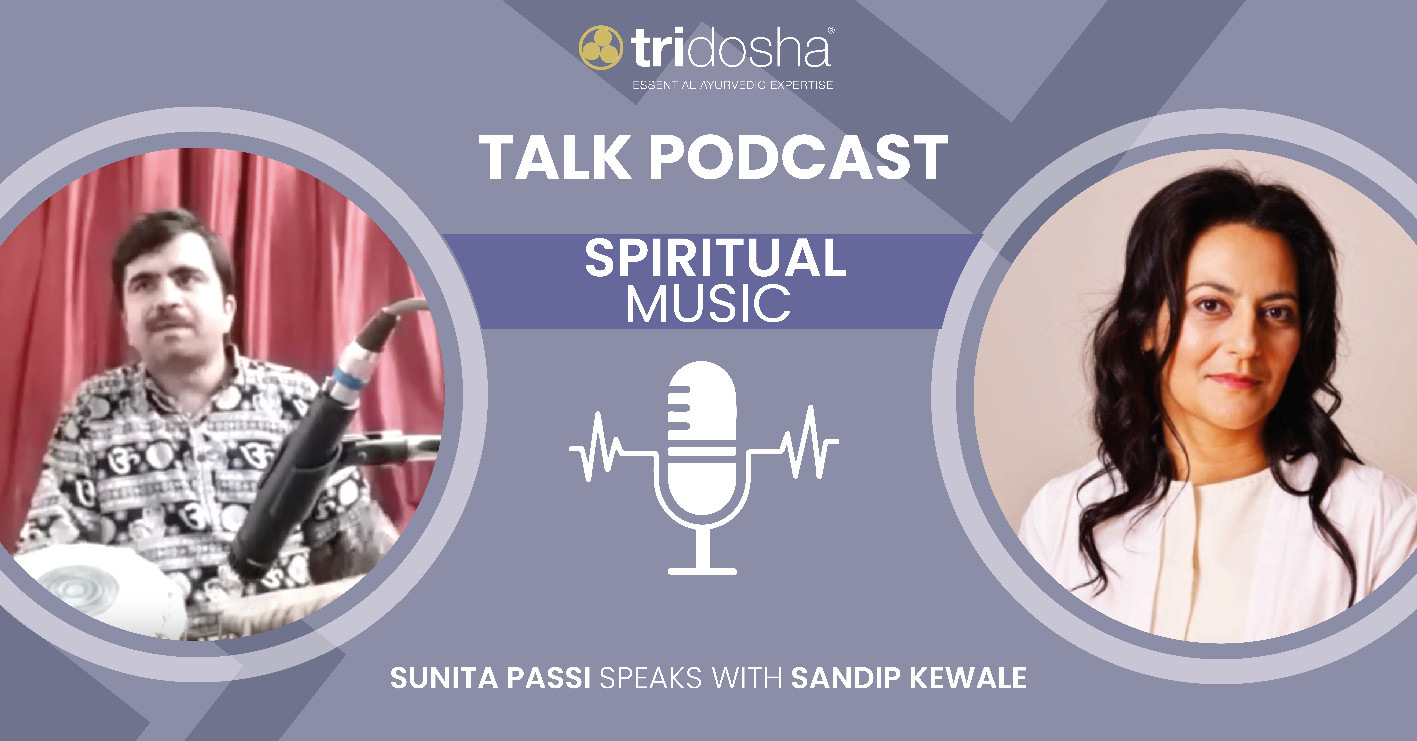
In this conversation, Sandip Kewale Rao reflects on the profound connection between music and spirituality, particularly through the practice of playing the tabla. He describes how a divine energy guided him towards music, emphasising the emotional and spiritual experiences that arise during performances. The imagery of being on the banks of the Ganges in Varanasi illustrates the deep sense of connection to a higher power that music provides.
Key Takeaways on The Rhythms of Varanasi
- A Rich Musical Legacy: The International Music Academy, founded in 1980 by Lakshman Rao, serves as a hub in Varanasi for learning Kirtan and Indian classical music, a tradition now continued by his grandson, Sandip Kewale Rao.
- A Path of Self-Discovery: Sandip’s journey into music wasn’t direct. He initially pursued cricket before a pivotal conversation led him to embrace his family’s musical heritage, showing the power of following your true passion.
- The Spiritual Power of Music: The article highlights the deep connection between music and spirituality, using the imagery of playing the tabla on the banks of the Ganges to illustrate how music can link you to a higher power.
- Music as a Unifying Force: Music is presented as a universal language that bridges cultural divides. Sandip’s collaborations with international artists demonstrate how they can create new harmonies and offer comfort, especially during difficult times.
Introduction
In the heart of Varanasi, where the sacred Ganges flows, lies a treasure trove of musical heritage. Sunita’s journey through India led her to the International Music Academy, where she met Sandip Kewale Rao, a torchbearer of a rich musical legacy. This episode explores the profound impact of music on culture and personal identity.
The Legacy of Music
Sandip’s story is one of tradition and innovation. His grandfather, Lakshman Rao, founded the International Music Academy in 1980, passing down a legacy that Sandip now carries forward. The academy is a beacon for those seeking to learn Kirtan and Indian classical music, offering a blend of traditional and contemporary sounds.
A Personal Journey
Sandip’s path to music was not straightforward. Initially drawn to cricket, it was only after a pivotal conversation that he embraced his musical roots. “Music was like food for me,” Sandip shares, reflecting on how his family’s influence shaped his destiny. His story is a testament to the power of self-discovery and the importance of following one’s passion.
Music as a Universal Language
In their discussion, Sunita and Sandip explore how music transcends boundaries, offering solace and connection in challenging times. Sandip’s collaborations with international artists highlight the universal appeal of music, bridging cultures and creating new harmonies.
Conclusion
The conversation between Sunita and Sandip is a reminder of the enduring power of music to heal, inspire, and unite. As Sandip continues to innovate and share his art, the rhythms of Varanasi echo far beyond its borders, inviting us all to listen and learn.
Timestamps
00:00 – Introduction
4:58 – About Lord Ganesha
6:36 – Sandip’s Journey to Music
9:11 – Spiritualities’ Powerful Connection with Music
12:33 – How Music Can Help Us Through Challenging Times Like COVID-19
18:09 – How Playing the Tabla Works
FAQs for The Rhythms of Varanasi: A Journey Through Music and Heritage – Your Insights Your Energy
Who is Sandip Kewale Rao?
Sandip Kewale Rao is a talented musician who carries on the legacy of his grandfather, Lakshman Rao. He is a central figure at the International Music Academy in Varanasi, where he teaches and performs, blending traditional and contemporary sounds.
What is the International Music Academy?
Founded in 1980 in the heart of Varanasi, the International Music Academy is a respected institution dedicated to teaching Kirtan and Indian classical music. It stands as a beacon for students from all over the world who wish to immerse themselves in India’s rich musical heritage.
How did Sandip begin his musical journey?
Interestingly, Sandip’s first passion was cricket. He only embraced his musical roots after a significant conversation that helped him realise music was his true calling, describing it as being like ‘food for me’. His story is one of self-discovery and finding one’s destiny.
What is the core message of this article?
The article explores the profound connection between music, spirituality, and personal identity. It shows how music acts as a universal language that can heal, inspire, and unite people across different cultures, a key theme often explored at Your Insights Your Energy.
How does the article describe the connection between music and spirituality?
It portrays music, particularly playing the tabla, as a spiritual practice. The experience is described as a divine energy guiding the musician, creating a deep sense of connection to a higher power, much like being on the sacred banks of the Ganges.
Links and Mentions
Learn more about the International Music Academy: Website / YouTube / Facebook