
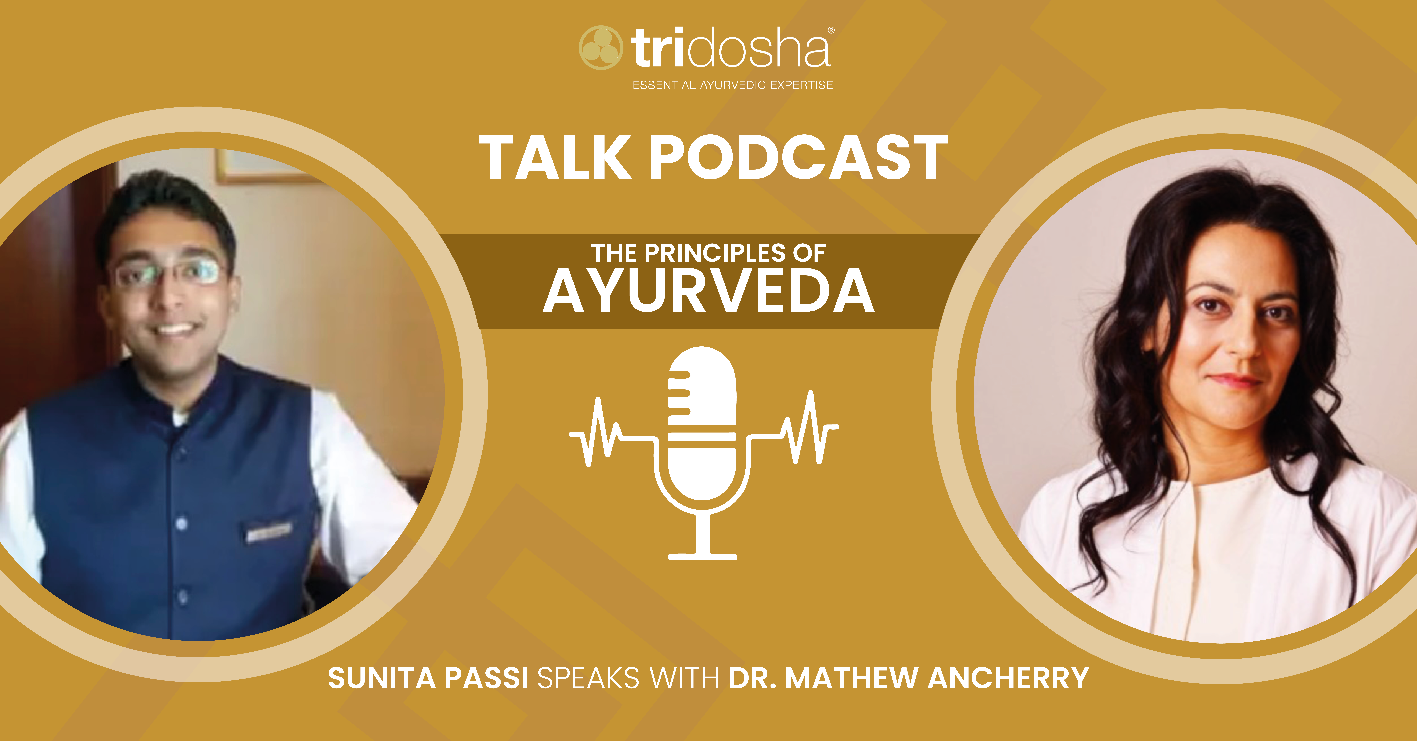
In this episode, Dr Mathew Anchery discusses the principles of Ayurveda and its growing acceptance in the UK. He shares his journey into Ayurveda, emphasising its holistic approach to health and wellness. The discussion covers the integration of Ayurveda with modern medicine, the importance of a positive mindset in healing, and practical health recommendations, especially during the COVID-19 pandemic. Dr Anchery highlights the unique aspects of Ayurveda, including its predictive nature and focus on prevention, while also sharing personal experiences and case studies from his practice.
Key Takeaways on a Holistic Approach to Health
- A Life Science: Ayurveda is more than just a medical practice; it’s a life science focused on supporting your body’s natural ability to heal itself.
- Unique Principles: It stands out due to its supportive, preventive, and predictive nature, which helps you address potential health issues before they become serious problems.
- Integrative Health: You can combine Ayurveda with modern medicine. While modern treatments are vital for acute care, Ayurveda offers a deep understanding of chronic conditions by focusing on the root cause.
- Practical Results: A holistic Ayurvedic plan, which includes changes to your diet, lifestyle, and the use of herbal remedies, can be very effective for managing long-term health issues like digestive and metabolic disorders.
Introduction
Modern medicine often focuses on treating symptoms, but Ayurveda offers a refreshing perspective by emphasising prevention and holistic well-being. Dr Mathew Anchery, a leading voice in Ayurveda in the UK, shares his journey and insights into this ancient practice.
The Journey to Ayurveda
Dr Anchery’s path to Ayurveda was serendipitous, beginning with his study of Sanskrit, the language of Ayurvedic texts. His deep dive into Ayurveda revealed it as a life science, not just a medical practice, emphasising the importance of supporting the body’s natural healing processes.
Key Features of Ayurveda
Dr Anchery highlights three unique aspects of Ayurveda: its supportive nature, preventive focus, and predictive capabilities. These elements allow practitioners to foresee potential health issues and address them proactively, a crucial advantage in today’s fast-paced world.
Integrating Ayurveda with Modern Medicine
While Ayurveda and modern medicine may seem worlds apart, Dr Anchery advocates for an integrative approach. He believes that while modern medicine excels in acute care, Ayurveda offers a comprehensive understanding of chronic conditions, focusing on root causes rather than just symptoms.
Practical Applications and Success Stories
In his practice, Dr Anchery has seen remarkable results, particularly in managing chronic ailments like digestive disorders and metabolic issues. His holistic approach, combining diet, lifestyle changes, and herbal remedies, empowers patients to take charge of their health.
Conclusion
As we navigate the complexities of modern health challenges, Ayurveda offers timeless wisdom and practical tools for achieving balance and well-being. Dr Anchery’s insights remind us of the power of holistic health practices in fostering a vibrant, healthy life.
Timestamps
00:00 – Introduction to Ayurveda in the UK
02:37 – Dr Matthew Anchery’s Journey to Ayurveda
05:27 – The Holistic Nature of Ayurveda
08:05 – Ayurveda vs. Modern Medicine
10:49 – Integrating Ayurveda with Western Practices
13:30 – Common Health Issues Addressed by Ayurveda
16:15 – Mind-Body Connection in Ayurveda
18:53 – The Role of Positive Mindset in Healing
21:45 – Personal Experiences and Case Studies
24:17 – Health Recommendations During COVID-19
27:03 – Conclusion and Contact Information
FAQs for A Holistic Approach to Health and Well-Being
What is the main difference between Ayurveda and modern medicine?
The primary difference is in the approach. Ayurveda focuses on prevention, holistic well-being, and addressing the root cause of an illness. Modern medicine, on the other hand, often concentrates on treating the specific symptoms of a disease, particularly in acute situations.
Can I use Ayurveda alongside my current medical treatments?
Yes, an integrative approach is often recommended. Dr Anchery suggests that while modern medicine is excellent for acute care, Ayurveda provides a comprehensive framework for managing chronic conditions and supporting your overall health, complementing conventional treatments.
What are the key features of Ayurveda discussed in the article?
The article highlights three unique aspects of Ayurveda. It is supportive, meaning it helps your body’s natural healing processes. It is preventive, focusing on maintaining health to avoid illness. And it is predictive, allowing practitioners to foresee potential health issues.
What types of health problems can Ayurveda address?
Ayurveda is particularly effective in managing chronic ailments. The article mentions notable success in treating conditions like digestive disorders and metabolic issues through a holistic approach that includes diet, lifestyle adjustments, and herbal remedies.
How does mindset affect healing in Ayurveda?
A positive mindset is considered crucial for healing. The mind-body connection is a central principle, and fostering a positive outlook is seen as an essential part of the healing process, empowering you to take an active role in your well-being.